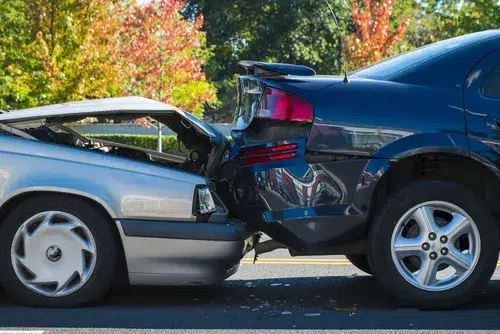
A car accident reshapes time. Seconds stretch, then compress. The noise fades and the details sharpen, sometimes in the wrong order. People call it shock, but anyone who has lived through the aftermath knows it is a kind of fog. Once the tow truck leaves and the last flare goes out, you face a different problem: the clock. The first 48 hours after a crash set the tone for everything that follows, from medical recovery to insurance negotiation and, if necessary, litigation. Knowing when to involve an accident lawyer is not about being combative. It is about preserving your options while you still Truck Accident Lawyer have them.
A seasoned car accident lawyer lives in this narrow window. We spend our days measuring what matters right now and what will matter six months from now when adjusters and medical bills feel louder than your own needs. That is the lens for this guide. It is written for the person who wants to make elegant, informed moves in an inelegant situation.
What the clock really means
The law gives you years to file a lawsuit, depending on the state. That timeline lulls people into waiting. The real deadlines show up far earlier. Scene video is overwritten in days. Dashcam footage disappears when a driver reuses a memory card. The at-fault driver’s insurer calls within 24 hours, framing your words as admissions if you are not careful. ER discharge notes get finalized quickly, sometimes without capturing what hurts most. In several states, you must notify your own insurer of a car accident within a few days to preserve certain coverages, such as medical payments or uninsured motorist benefits. Those quiet, practical timers matter more than the statute of limitations.
I worked a case where a client waited nine days to call. The intersection camera had a 7-day retention setting. Without the footage, we leaned on skid marks and vehicle telematics to prove the other driver ran a red. The claim resolved well, but it would have been faster and cleaner with video. Two days earlier, and the case changes.
The first decision: medical first, lawyering second, but close
Your first move is medical care, whether you feel hurt or not. Adrenaline hides symptoms. Concussions present like a hangover. Seat belt injuries bruise inward before they show outward. ER or urgent care creates a timestamp and a professional record that glues the story together. Defense lawyers and adjusters love gaps. If you wait a week to see a doctor, they will argue your back pain came from yard work, not the crash.
Once you are stable, the second move is legal. For minor property damage with no bodily injury, a lawyer may be overkill. For anything beyond scuffed paint, a brief consultation can save you from the innocent mistakes that cost more than attorney fees ever will. Good injury lawyers triage, quickly, and many will tell you straight if you do not need full representation.
Why calling within 48 hours changes everything
A well-timed call is less about filing and more about prevention. In the first two days, a lawyer or their investigator can canvas nearby businesses for video, contact eyewitnesses while memories are crisp, pull traffic incident logs, and issue preservation letters to keep evidence from vanishing. It is practical, not dramatic.
The first 48 hours also determine how the claim narrative takes shape. Insurers move fast, especially when their driver is at fault. The early outreach is not a courtesy call. It is a strategy. They ask about injuries, even down to “Are you okay today?” That casual question can anchor your entire claim in a single, unguarded answer. A car accident lawyer acts as your voice, so the necessary information is provided without volunteering language that will be used against you.
Finally, medical direction matters. I have seen clients bounce among providers, collecting generic diagnoses and uneven treatment notes. The right injury lawyer knows which specialists can assess a suspected disc herniation versus soft tissue strain, how to schedule imaging efficiently, and which practices document with the clarity that persuades an adjuster or a jury. The lawyer does not practice medicine. The lawyer helps stage it properly, so medicine speaks clearly.
What to say and not say to insurers
Expect two calls within 24 to 48 hours. The first from your own insurer, the second from the other driver’s. Your contract obligates you to cooperate with your insurer to a reasonable degree. That usually means confirming the basics: time, location, vehicles involved, a high-level description. It does not mean giving recorded statements about fault or speculating about injuries before a physician has evaluated you. With the other driver’s insurer, you have no duty to provide a recorded statement. The more serious the injuries, the less you should say before speaking with counsel.
One example stands out. A client once described their pain as “just soreness,” then went to the ER that evening for increasing numbness. The adjuster filed that first phrasing as a credibility chisel and tried to discount the later diagnosis. We overcame it with imaging and specialist notes, but the fight took months longer than it needed to. The safer script is simple and honest: you are still being evaluated, you will provide information after medical assessments, and your lawyer will follow up.
Documentation that quietly wins cases
The beauty of documentation is that it looks modest in the moment and decisive later. Even a high six-figure resolution often rests on small, disciplined notes captured in the first 48 hours.
- Photos and video: Walk the scene if you can do so safely. Photograph vehicle positions, points of impact, long shots for context, close-ups of damage, roadway conditions, debris, and any visible injuries. Include signage and signal lights. If you didn’t do this at the scene, return within a day if it’s safe and lawful. Pavement markings fade under traffic. Names, numbers, affiliations: Witnesses disappear. Ask for contact information and where they were standing or driving. A single line from a neutral witness can eclipse pages of argument. Medical records and receipts: Keep discharge papers, prescriptions, and every receipt from bandages to rideshares. I have seen a rideshare receipt connect a treatment date to a provider when a clinic’s system glitched, shoring up a gap the insurer tried to exploit. Pain journal: Two or three lines per day suffice. Focus on function, not adjectives. “Couldn’t lift the toddler for bath,” “Missed shift, numbness left hand,” “Sharp pain turning head right.” Functional notes feel credible because they are tethered to real tasks. Communication log: Note calls with insurers and providers, including dates, names, and summaries. Details close loopholes later.
These basics, gathered early, spare you from subjective fights months later.
Property damage and rental cars, handled with less friction
Property claims move faster than bodily injury claims. That is both a blessing and a risk. If your vehicle is repairable, ensure the repair estimate includes OEM parts language where available and applicable under your policy or state law. If the car is fairly new or a luxury model, a diminished value claim may be viable. These are subtle, documentation-heavy claims. Not every jurisdiction allows them, and insurers push back. The better you capture pre-crash condition and market comparables, the stronger the negotiation.
Rental coverage is its own swirl. Your policy might cover a daily rate that barely pays for an economy car, yet you need a vehicle comparable to your own for business or family obligations. This is where an injury lawyer can step in and nudge the process, aligning the at-fault carrier with your practical needs, or front-loading coverage under your own policy with reimbursement later. Small pressures, applied early, keep you mobile.
The quiet traps of early settlements
Early offers feel like relief. The adjuster uses warm, efficient language. “We just want to help you move on.” If your injuries are truly minor, a modest offer may be fair. The problem is that injuries do not always declare themselves within 48 hours. Arm tingling that seems stress-related might be a cervical radiculopathy. A sore knee could be a meniscus tear that shows up only after swelling subsides.
Once you sign a release, your claim for bodily injury is over. No do-overs. I keep a file of stories where clients almost signed within a week, then called for a gut check. One had a $2,500 offer and no imaging. MRI two weeks later uncovered a shoulder labral tear requiring surgery. That case settled six figures. If a quick settlement tempers anxiety more than it reflects medical reality, it is not a good deal.
Fault is a spectrum, not a verdict
A surprising number of collisions involve shared responsibility. Some states apply pure comparative negligence, where your recovery is reduced by your percentage of fault. Others use modified systems with cutoffs, and a few still hold to strict rules that punish even small mistakes. Scene details that seem minor can move fault allocation: lane markings smudged by rain, a poorly timed left turn, a burnt-out taillight. An experienced accident lawyer thinks in probabilities, not absolutes, and builds the case for a fair percentage when perfection is not plausible.
I had a client rear-end a vehicle that stopped short. On paper, it was their fault. The street camera, preserved early, showed a pedestrian stepping into the crosswalk against the signal. The lead vehicle braked hard to avoid the pedestrian. With that context, fault shifted. Evidence created nuance, and nuance created leverage.
Medical choice and the record that follows you
Your treating providers become narrators of your car accident injury. Choose them as carefully as you can. If you already have a primary care doctor, start there for coordination. If you need specialists, pick those who chart thoroughly, not just those with convenient locations. Vague notes hurt good claims. “Patient states pain 7/10” tells a story, but not one that moves an adjuster. “Patient cannot sit longer than 20 minutes without standing, radicular pain down posterior right leg, positive straight-leg raise” frames function and mechanism.
Be honest about prior issues. Defense attorneys love prior medical records. The right injury lawyer will differentiate a flare-up from a new injury in the language physicians respect: baselines, diagnostic comparisons, and objective findings. There is nothing improper about a preexisting condition getting worse. The law, in many states, acknowledges that defendants take plaintiffs as they find them. But that principle works only when the record is precise.
What a strong lawyer does in the first two days
A capable car accident lawyer is equal parts strategist and fixer at the start. We triage. We listen for what is unsaid: the job you cannot miss, the childcare puzzle, the quiet fear about a preexisting condition that might complicate the claim. Then we move.
- Evidence preservation: Send spoliation letters to businesses, municipalities, and other involved parties. Request 911 audio, CAD logs, and traffic camera footage. Track down private dashcams from rideshares that might have been in the area. Insurance communication: Notify carriers, open claims, and set boundaries. Decline recorded statements until the medical picture is clearer. Confirm rental car logistics and property inspection scheduling. Medical coordination: Encourage early, appropriate evaluation. If necessary, refer to specialists who document well and treat conservatively but thoroughly. Help schedule imaging when symptoms suggest it. Liability analysis: Study the police report for errors and omissions. Identify roadway design issues, signage placement, and sightline problems that may involve government entities and shorter notice deadlines. Client protection: Advise on social media, body shop selections, and common traps. Create a communication channel so the client doesn’t have to repeat themselves to four different adjusters.
These tasks do not require a lawsuit. They require time, judgment, and access, which is exactly what an injury lawyer brings when brought in early.
The cost question, answered without hedging
Most accident lawyers work on contingency. You do not pay fees unless there is a recovery. Standard percentages vary by region and stage of the case. Expenses like records, experts, and filing fees are often fronted by the law firm and reimbursed from the settlement. The critique is familiar: why not keep that percentage by handling it yourself? For small claims skilled motorcycle accident attorney with clear liability and brief treatment, DIY can work. For claims with soft-tissue injuries lasting more than a few weeks, contested liability, or any imaging-based injury, the representation usually pays for itself. The further the case goes, the more that tends to hold. Strong documentation, preserved early, shortens the path regardless.
When waiting makes sense
There are narrow situations where you might wait a day before engaging counsel. If there is no pain, no vehicle damage beyond a light scrape, no airbag deployment, and the drivers exchanged information cleanly, you can notify insurers yourself and monitor symptoms. If anything shifts — delayed pain, pushy calls, a suddenly uncooperative other driver — consult an accident lawyer right away. The best time to call is when you realize you have more questions than answers. That moment often arrives on day one.
The out-of-state wrinkle
Vacation crashes complicate everything. Jurisdiction matters, and so do local medical ecosystems. If you are hit in another state, call a lawyer licensed where the crash occurred. Many firms link arms across states for seamless representation. Evidence lives where the collision happened. An out-of-state car accident becomes exponentially harder if you delay because you assume your hometown lawyer can fix it later. Your hometown counsel can coordinate, but the local injury lawyer will move the ball in those first 48 hours.
Children, elderly passengers, and special care
Children underreport pain or describe it imprecisely. They also compensate well, then crash hard later. Pediatric evaluation is not optional. Document behavior changes, sleep disturbances, school absences, and activity limits. Elderly passengers may present deceptively stable, yet be vulnerable to subtle fractures, bleeds, or decompensation of preexisting conditions. In both cases, the early medical picture needs to be careful and specific, and the legal approach needs to anticipate a longer arc of healing. A compassionate injury lawyer will plan for this arc from day one.
Social media, surveillance, and the narrative you control
Insurers review public accounts. If you post a smiling photo at a family gathering, it will be used to argue you are fine, regardless of the pain off-camera. The simplest policy is radio silence on the accident and your physical condition. Even location tags can be misread. Surveillance is rare for smaller claims, but for larger exposures it is a real possibility. This is not cause for paranoia. It is a reminder that consistency matters. If you can lift a grocery bag on video, your record should explain what you cannot do and how you recover afterward. Your lawyer will help you shape that honest, consistent narrative.
The settlement arc begins in the first 48 hours
A settlement is not a number pulled from the air. It is a story quantified. Medical bills and liens, lost income, pain and loss of function, property damage, future care needs — all translated into a demand the insurer must take seriously. The credibility of that demand depends on the foundation built early. If your first two days are careful, your last two weeks of negotiation are easier. If your early steps are scattered, even a strong claim becomes a long climb.
In high-value cases, we consider life care planning, vocational assessments, and economists. In modest cases, we still quantify carefully, especially future medicals for lingering symptoms. The quality of the early medical notes, the clarity of fault, and the preservation of evidence determine whether the insurer pays attention or forces litigation.
A simple, practical sequence for day one and day two
- Seek medical evaluation as soon as possible, even if symptoms feel mild. Save every document and receipt. Photograph everything relevant to the car accident: vehicles, scene, signals, injuries, and the wider context. Notify your insurer of the crash without giving a detailed recorded statement about injuries or fault. Decline a recorded statement to the other driver’s insurer, and route communication through your car accident lawyer if you engage one. Consult an injury lawyer within 48 hours if there is any pain, airbag deployment, significant damage, uncertainty about fault, or pressure from an insurer.
What a luxury approach looks like in a messy moment
Luxury is attention paired with restraint. In this context, it means you make fewer moves, each with intention. You prioritize your health, secure the key facts, and delegate complexity to a professional who does this every day. The result is not only a higher chance of a fair outcome. It is a quieter experience in a loud moment.
I have seen clients exhale when they realize the phone will stop ringing and the pieces now have an order. Their care gets scheduled. Their car gets handled. Communication becomes measured instead of reactive. The case moves with pace, not panic. That feeling is not cosmetic. It is the product of wise choices in the first 48 hours.
Final perspective
You do not need to become a legal expert after a crash. You need to protect the timeline, capture the truth, and avoid the traps that turn a straightforward car accident injury into months of friction. If your body hurts, if the facts are contested, or if the insurer feels a step ahead, bring in a car accident lawyer quickly. If the damage is light and you feel truly fine, handle the basics and keep a close eye on your symptoms for a few days. Either way, act with intention. The early hours are short. Their consequences stretch a long way.